Licensed Florida agent serving St. Lucie County

For the Port St. Lucie home you only see part of the year

Second Home Insurance in Port St. Lucie, FL

Port St. Lucie second home insurance: companies treat a seasonal home differently from a year-round one, so expect to say how many months it is lived in.

On HomeInsurancePortStLucie.com, Matt Williams, a licensed Florida agent, checks 80+ companies for your home and car.

  • Florida licensed agent since 2010
  • Port St. Lucie population up 30.9% since 2020 (Census)
  • St. Lucie County population up 22.2% since 2020 (Census)
  • Citizens: a primary home is lived in over 9 months (s. 627.351)
  • Citizens' 15% yearly rate cap skips second homes (s. 627.351)

Buying from out of state? Start here

Second Home Insurance in Port St. Lucie, FL is written around one question the application always asks: who is in the house, and how often. Snowbirds, seasonal owners and buyers who still live out of state get the right policy by answering it honestly, and one call to (772) 218-7676 compares 80+ companies for that answer, same day.

You can do all of it from wherever you are. The quote, the documents and the paperwork move by phone and email, and the house never has to be occupied to get it insured. Asking changes nothing on any policy you already have.

Talk to a Licensed Florida Agent

Call (772) 218-7676
  • 1form to fill out, not six
  • 0fee for a quote, ever
  • 0obligation to buy anything

01Carriers

Second Home Insurance in Port St. Lucie, FL: Tell the Company How the House Is Really Used

A policy on the home you live in all year is priced and written for an occupied house. A home you use for the winter, visit a few times a year, or are still moving into is a different risk, and companies treat it that way.

Primary, Seasonal or Secondary

Expect the application to ask whether the home is your primary residence, a seasonal home or a secondary residence, and roughly how many months a year someone lives there. Some companies write only primary homes, some welcome seasonal ones, and the rules change from company to company. That is exactly why comparing 80+ of them matters more for a second home than for almost any other policy. Citizens applies its own primary residence test, and its rate cap works differently for a home lived in part of the year.

Answer It Straight

Describe the occupancy as it really is. A policy written as a primary home on a house that sits empty half the year is a claim problem waiting to happen, because what the policy covers can depend on how the home is used. The honest answer costs nothing to give and protects every claim you ever file.
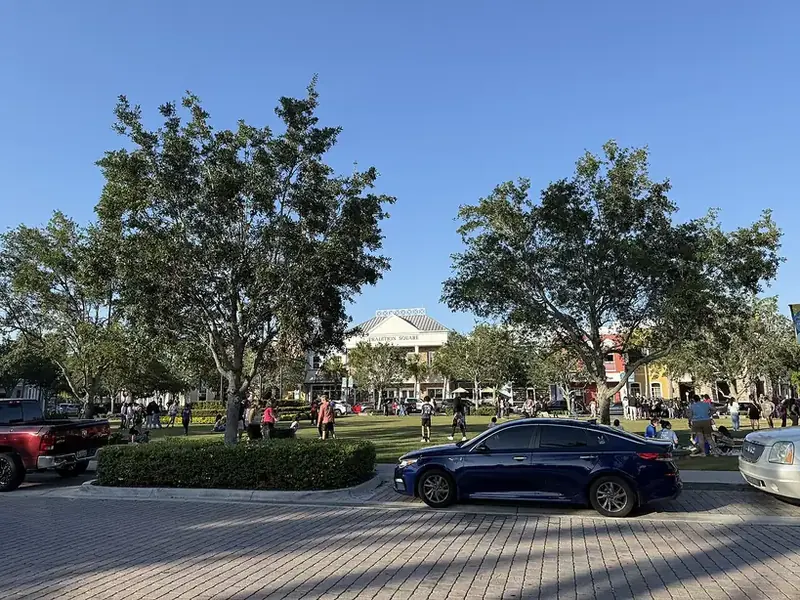

Tradition Square green and shops in the Tradition community of Port St. Lucie, Florida
Tradition Square, Port St. Lucie. Photo: Dough4872, CC BY-SA 4.0.
Up nextWhile You Are Away: The Questions That Protect a Claim

Why it matters

Port St. Lucie keeps growing

  • 268,062Port St. Lucie residents as of July 1, 2025
  • 30.9%city population change since April 2020 (estimates base)
  • 22.2%St. Lucie County change over the same period
  • $369,200median value of an owner-occupied Port St. Lucie home (2020-2024)

Data: U.S. Census Bureau QuickFacts. Last updated .

02Questions

While You Are Away: The Questions That Protect a Claim

A house nobody is living in for months at a time has its own risks: a slow leak nobody sees, a storm that passes while you are 1,000 miles north, a break-in nobody reports. Companies that write seasonal homes commonly ask about these, and having answers ready makes the quote easier.

  • Who checks on the house, and how often.
  • How water is handled while you are gone: a main shutoff, or a leak sensor.
  • How the house is prepared for a storm: shutters, and who puts them up.
  • Whether anyone uses it while you are away, including family and renters.

Read the vacancy and unoccupancy wording in any policy you are offered. Policies commonly limit certain losses once a home has been left vacant or unoccupied for a stretch of time the policy itself defines. If the house will be empty for long periods, the options for a house left empty are laid out separately.

Still wondering?

Ask a licensed agent

No fee for a quote and no obligation to buy.

(772) 218-7676Request a quote online
Renting It Out When You Are Not There

If you rent the home, even for one season, say so on the application. Rental use is usually written on a different policy form, and a claim during an undisclosed rental can go badly. The request type "Rental property" on the form flags it. Renting it out also raises the liability stakes, so an umbrella above the home policy is worth pricing at the same time.

03The details

Wind and Flood Still Come First

A second home on the Treasure Coast carries the same two big exposures as a full-time one. The hurricane deductible decides what you pay first after a named storm (see how wind cover and its deductible are priced), and a standard homeowners policy does not cover flood (see why flood is bought as a separate policy). Both deserve a real answer before the season, not after it.

Up nextBuying From Out of State?

04The details

Buying From Out of State?

If you are still under contract, line up the insurance before closing. Buying from another state, step by step, walks through the timing: inspections, the flood zone, and when to lock in a quote.

Up nextWhat to Have Ready

05The details

What to Have Ready

Up nextPort St. Lucie Second Home Questions

06Questions

Port St. Lucie Second Home Questions

Can I insure a Port St. Lucie home while I still live in another state?

Yes. Everything can be done by phone and email, and the policy is written for the Port St. Lucie address, not yours. The same goes for a winter home across the county line in Stuart.

Is a seasonal home harder to insure than a primary home?

It can be, because some companies only write homes that are lived in all year. Others write seasonal homes routinely. One call reaches 80+ of them, which is the fastest way to find the ones that fit.

Do I need separate flood insurance for a second home?

A standard homeowners policy does not cover flood, whether the home is your first or your second. Flood coverage is its own policy, and a new NFIP policy typically waits 30 days before it takes effect, so do not leave it until a storm is coming. Check which flood zone the address sits in before you price it.

Ready when you are

Get your Port St. Lucie home quote today

Send your details once. A licensed Florida agent compares multiple carriers for Port St. Lucie, St. Lucie County and the Treasure Coast, and you decide.